Most of This Damage Was Preventable
How Do Fiber Cables Monitor Seismic Activity?
Sintela’s ONYX™ platform transforms existing fiber optic cables into a continuous network of sensors capable of detecting and mapping ground vibrations in real time. A single unit can monitor up to 200 km of fiber, providing unprecedented coverage and sensitivity.
Leading universities, government agencies, and industrial operators use ONYX™ to monitor earthquakes, volcanic activity, mine microseismicity, and seafloor dynamics. Unlike traditional seismometers that provide measurements at isolated points, ONYX™ delivers continuous coverage along the entire fiber route.
By turning passive telecommunications infrastructure into an intelligent sensing network, ONYX™ enables large-scale seismic monitoring without requiring new cable installation.

How Our Seismic Monitoring System Works?
Connect to Existing Fiber
ONYX™ connects directly to existing telecommunications fiber, eliminating the need for new cable installations or ground disturbances. Your infrastructure becomes a continuous sensing array from day one.
Real-Time Seismic Data Collection
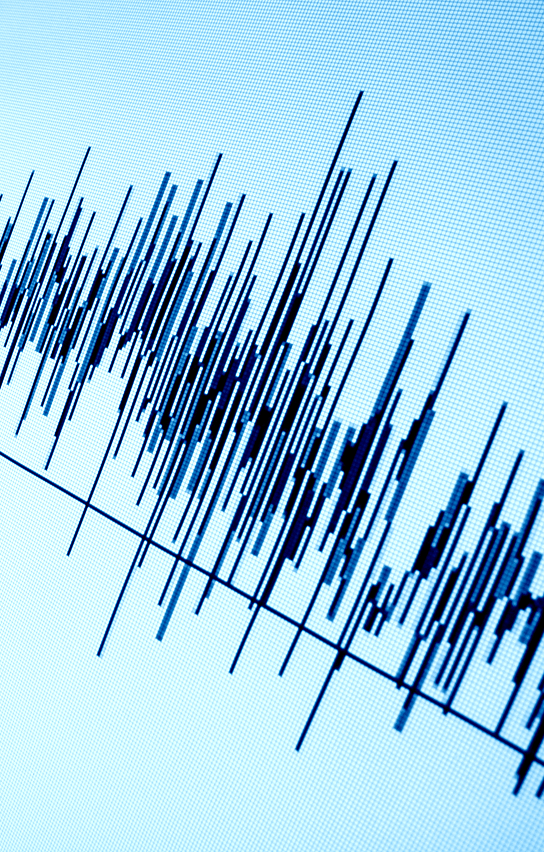
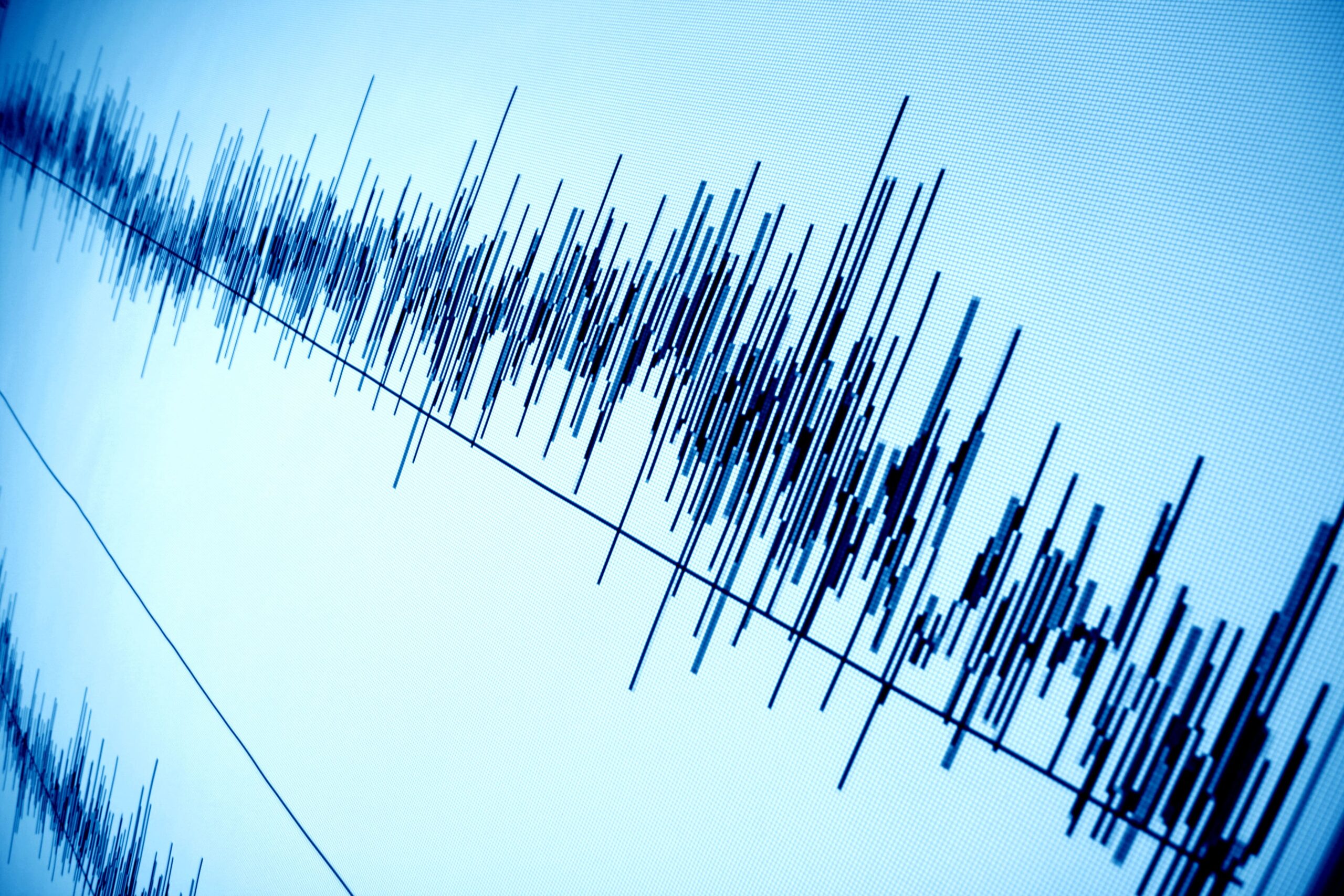
Every meter of fiber functions as a sensor, continuously capturing ground vibrations, acoustic signals, and seismic waves. This creates uninterrupted coverage across the entire monitoring area.
Data Transmission to Central Platform
After edge processing, data is securely transmitted to Sintela’s central monitoring platform. Operators gain a unified, real-time view of seismic activity across assets spanning hundreds of kilometers.
AI-Powered Analysis and Event Detection
Advanced AI-driven analytics filter environmental noise and identify meaningful seismic events with exceptional accuracy and low false-alarm rates.
Alerts and Visual Dashboard
When seismic activity is detected, instant alerts are sent to designated personnel. A live dashboard displays event location, intensity, and progression, enabling rapid, informed decision-making.
Choose the right ONYXTM for your
seismic application
Three purpose-built variants covering every operational range, environment, and budget requirement.
ONYXTM nano
Portable, low-power, field-deployable
DAS for shorter-range research
- Range
Up to 10 Km - Fiber type
Multicode compatible - Power
Ultra-low (solar compatible) - Best for
Glacier, cryosphere, borehole
ONYXTM peta
Flagship long-range DAS with industry-leading sensitivity for large-scale seismic networks
- Range
100-130 Km standard - Sensitivity
-81 db rad.Hz -1/2 (SEAFOM) - Spatial res.
Down to 0.53 m - Best for
Earthquake, volcano, seafloor
ONYXTM peta EX
Extended-range variant for ultra-long subsea and borehole seismic deplloyments
- Range
75-200 Km (Single fiber) - Configuration
Single fiber, extended reach - Deployment
Subsea cables, long pipelines - Best for
Oceanic tectonic monitoring
Why Choose Sintela?
Sintela’s ONYX™ platform delivers industry-leading distributed fiber optic sensing and is trusted by governments, universities, and critical infrastructure operators worldwide.

20+ Years of DAS Expertise

Zero Nuisance Alarms

Works on Existing Fiber

Tailored to Your Operation

0.53 m Smallest Gauge Length Available
Sintela Case Studies
Explore our case studies below to see how Sintela could improve your business
Frequently Asked Questions
A seismic monitoring system tracks ground vibrations and seismic activity in real time. It helps detect earthquakes or structural movements and provides data for fast and informed decisions.
Lorem Ipsum has been the industry’s standard dummy text ever since the 1500s, when an unknown printer took a galley of type and scrambled it to make a type specimen book.
Lorem Ipsum has been the industry’s standard dummy text ever since the 1500s, when an unknown printer took a galley of type and scrambled it to make a type specimen book.
Lorem Ipsum has been the industry’s standard dummy text ever since the 1500s, when an unknown printer took a galley of type and scrambled it to make a type specimen book.
Lorem Ipsum has been the industry’s standard dummy text ever since the 1500s, when an unknown printer took a galley of type and scrambled it to make a type specimen book.